




Eat More, Weigh Less: 10 Filling Low-Calorie Foods You Must Try
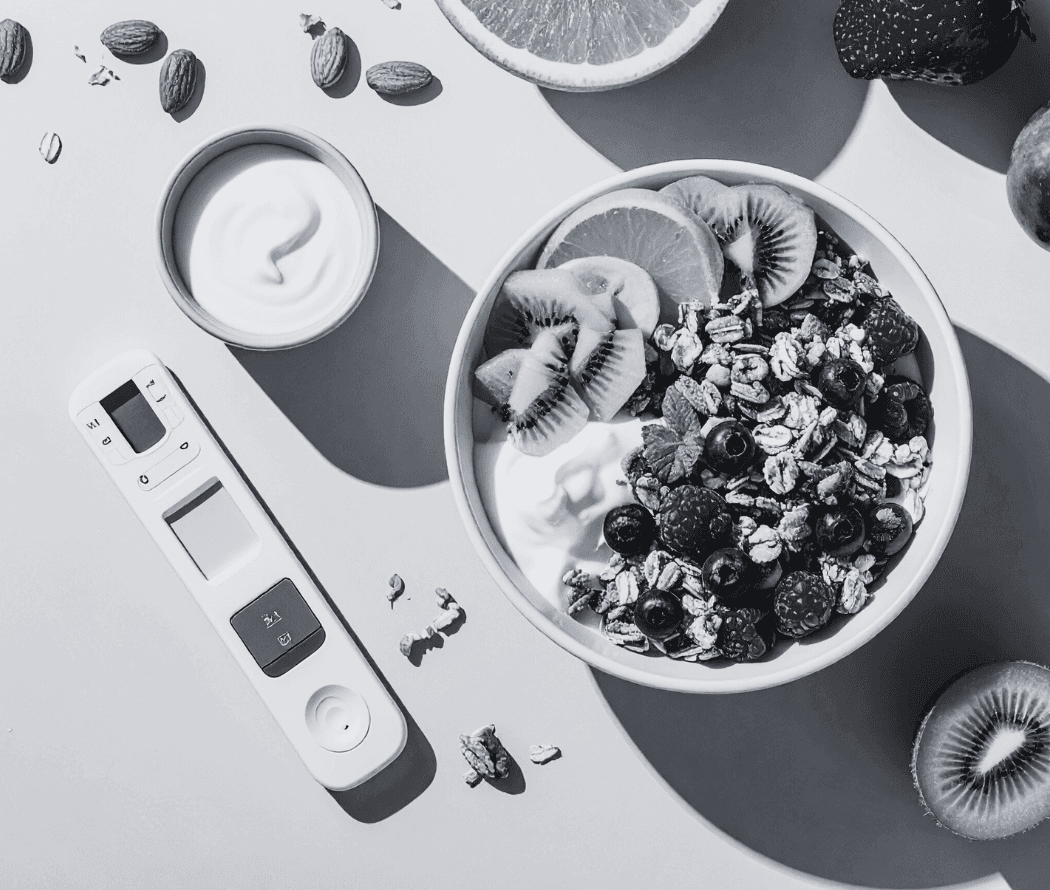
Discover 10 filling low-calorie foods that help you lose weight smartly without feeling hungry, with practical tips from calorieX.
Introduction:
Losing weight doesn’t mean skipping meals or feeling hungry all day. The key to smart, sustainable fat loss is choosing foods that are low in calories but keep you full and energized. At calorieX, we know that eating well is about fueling your body, not depriving it.
In this guide, we’ll walk you through 10 filling low-calorie foods that make weight loss easier, more enjoyable, and sustainable. These foods are not only nutritious but also satisfying, helping you control hunger naturally while staying on track with your goals.
Why Low-Calorie, Filling Foods Are Essential
Many people try to lose weight by drastically cutting calories-but this often leads to hunger, cravings, and burnout. The smarter approach is to focus on foods that:
- Keep you full for longer: Foods rich in fiber, protein, and water slow digestion and reduce hunger.
- Support energy levels: Low-calorie doesn’t have to mean low-energy-you can feel fueled all day.
- Provide essential nutrients: Even in a calorie deficit, your body needs vitamins, minerals, and protein.
At calorieX, we emphasize flexibility and balance. Choosing the right low-calorie foods ensures you can enjoy your meals without feeling deprived, making it easier to stick with your weight loss plan.
How Low-Calorie, Filling Foods Work
Feeling full isn’t just about calories-it’s about what you eat. Here’s why certain foods help curb hunger:
- High fiber: Vegetables, fruits, oats, and beans slow digestion and promote satiety.
- High protein: Lean meats, eggs, yogurt, and legumes stabilize blood sugar and keep you satisfied.
- High water content: Foods like cucumbers, zucchini, and tomatoes add volume without adding calories.
By focusing on these characteristics, you can naturally reduce overall calorie intake without feeling deprived.
10 Filling Low-Calorie Foods You’ll Love
Here’s our hand-picked list of foods that are low in calories, satisfying, and perfect for weight loss:
1. Oats
Oats are a fiber-rich breakfast favorite that keeps you full for hours. Enjoy them with berries or a small spoon of nut butter to start your day with energy and satiety.
2. Greek Yogurt
Packed with protein and probiotics, Greek yogurt keeps hunger at bay. Choose unsweetened varieties and pair with fruits or a sprinkle of nuts for a filling snack.
3. Eggs
Eggs are a powerhouse of protein and healthy fats. Start your morning with boiled, scrambled, or poached eggs-they help control appetite and keep you energized.
4. Leafy Greens
Spinach, kale, and lettuce are low in calories but high in fiber and water. Add them to salads, smoothies, or omelets for bulk and nutrients without extra calories.
5. Apples
Apples are naturally sweet, high in fiber, and very filling. They make an excellent snack or dessert substitute to curb sugar cravings.
6. Berries
Blueberries, raspberries, and strawberries are low in calories and high in antioxidants. Add them to oatmeal, yogurt, or enjoy as a snack to satisfy sweet cravings without guilt.
7. Lentils and Beans
These legumes are rich in protein and fiber, keeping you full longer. Perfect for soups, salads, or stews, they stabilize blood sugar and prevent overeating.
8. Lean Chicken or Turkey
Lean poultry provides high-quality protein with minimal calories. Grilled, baked, or steamed, it keeps you full while supporting muscle maintenance during weight loss.
9. Cottage Cheese
Low in calories but high in protein, cottage cheese is ideal for snacks or adding creaminess to meals. Pair it with fruits or veggies for a nutrient-packed option.
10. Vegetables with High Water Content
Cucumbers, zucchini, bell peppers, and tomatoes are hydrating, low-calorie, and filling. Use them in salads, stir-fries, or soups to enjoy large portions without extra calories.
Smart Cooking Techniques to Reduce Calories
How you prepare your meals matters just as much as what you eat. Some tips to keep meals low-calorie while staying delicious:
- Grill, steam, or bake instead of frying.
- Use herbs, spices, and citrus to enhance flavor without adding calories.
- Swap creamy sauces for yogurt-based or tomato-based alternatives.
- Incorporate water-rich vegetables like zucchini, cucumbers, and tomatoes to bulk up meals.
These small changes allow you to enjoy satisfying meals while sticking to your calorie goals.
Tips to Make These Foods Work for You
Incorporating these foods is simple if you follow a few key strategies:
- Pair fiber and protein: Combine foods like eggs and spinach or Greek yogurt and berries for longer-lasting fullness.
- Eat mindfully: Slow down, savor each bite, and listen to your body’s hunger cues.
- Plan your meals: Prepping in advance reduces impulsive high-calorie choices.
- Stay hydrated: Water helps you feel full and supports overall metabolism.
- Balance is key: Include healthy fats, complex carbs, and protein along with low-calorie foods.
At CalorieX, we emphasize sustainable habits-small changes over time lead to lasting weight loss.
Why Consistency Beats Perfection
At calorieX, we always emphasize that small, consistent actions lead to bigger results. You don’t need to follow a strict diet or count every single calorie. Instead, focus on:
- Eating more nutrient-dense, low-calorie foods to naturally reduce hunger
- Maintaining regular meal times to avoid spikes in cravings
- Listening to your body and honoring hunger cues
Over time, this approach creates a healthy, sustainable lifestyle that supports long-term weight loss and overall wellness.
Conclusion
Calorie counting can be a highly effective tool for weight loss-but its true power comes when it’s combined with balanced nutrition, regular physical activity, and sustainable daily habits. There’s no one-size-fits-all number for calories; your intake should be tailored to your body, lifestyle, and personal goals.
At calorieX, we advocate a flexible, informed approach: focus on tracking calories smartly, choosing nutrient-rich foods, and building habits that last. Over time, this method not only supports safe, steady weight loss but also promotes long-term health and wellness.