




Fitness Habits Explained: The Real Reason January Fitness Plans Don’T Stick
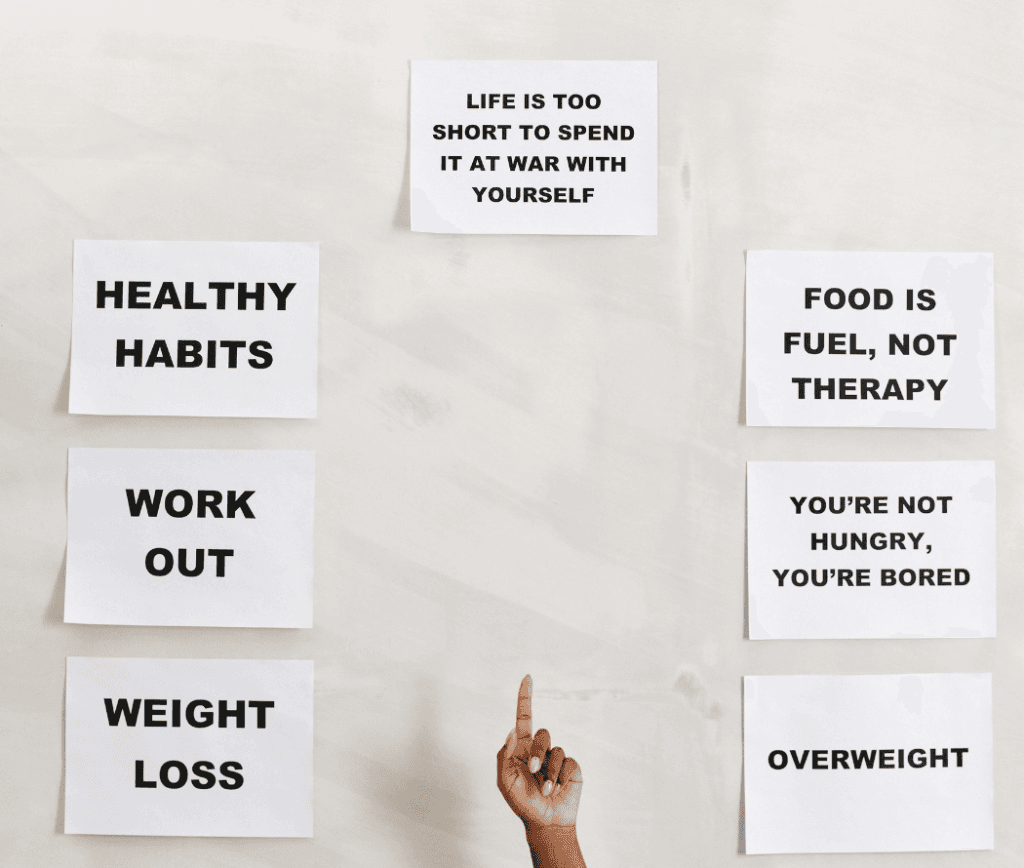
Introduction: January Starts Strong - So Why Does Everything Fall Apart?
Every January, gyms fill up, meal plans get printed, and motivation runs high. For a brief moment, it feels like this is the year everything will change.
Yet by the second or third week, most fitness plans quietly disappear.
This isn’t because people are lazy or undisciplined. It’s because most January plans are built around intensity, not fitness habits. They demand perfection instead of consistency - and real life doesn’t cooperate.
In this article, we’ll explore the real reason January fitness plans don’t stick, backed by data, behavioral science, and practical insight. You’ll also learn how habit-focused systems - and tools like CalorieX - can help fitness fit into real life.
1. January Plans Focus on Goals, Not Fitness Habits
Goals are exciting.
Habits are boring - but effective.
Research shows:
- 80% of New Year fitness resolutions fail by mid-February
- People who focus on habits are 3× more likely to maintain long-term results
- Behavior-based plans outperform outcome-based goals by 42%
January plans usually revolve around outcomes:
- Lose weight fast
- Eat perfectly
- Train daily
But habits are what actually drive results:
- Eating regularly
- Moving consistently
- Tracking patterns - not perfection
Why this matters:
Goals give direction.
Habits create momentum.
Without strong fitness habits, motivation fades and progress collapses.
2. Most Plans Ignore Real-Life Constraints
January plans often assume:
- Perfect schedules
- High energy every day
- Unlimited mental focus
Reality is different.
Data reveals:
- 67% of adults experience weekly schedule disruptions
- Busy days increase skipped meals by 35%
- Stress reduces follow-through on fitness plans by 45%
Case Example:
Sarah starts January with a strict meal plan and daily workouts. By week two:
- Work deadlines pile up
- Meals are skipped
- Energy crashes
The plan doesn’t adapt - so she quits.
The issue wasn’t effort.
It was a plan that didn’t fit her life.
Fitness habits only stick when systems adapt to real routines.
3. January Plans Rely Too Heavily on Motivation
Motivation feels powerful - but it’s unreliable.
Studies show:
- Motivation fluctuates daily by up to 60%
- Willpower declines as decision fatigue increases
- People make over 200 food decisions per day
January plans often overload motivation by:
- Adding too many rules
- Tracking too many numbers
- Expecting constant discipline
When motivation dips - as it always does - habits collapse.
What works better:
- Reducing decisions
- Simplifying tracking
- Creating flexible structure
This is the approach CalorieX is built around - supporting habits even on low-energy days.
4. All-or-Nothing Thinking Breaks Consistency
One missed workout.
One unplanned meal.
One stressful day.
For many people, that feels like failure.
Research indicates:
- 72% of people quit fitness plans after one “bad” week
- Guilt reduces habit consistency by 30%
- Self-judgment increases abandonment rates significantly
January plans often promote:
- Strict rules
- Zero tolerance for mistakes
- Restart mentality
But fitness habits thrive on continuity, not perfection.
Sustainable habit mindset:
- Miss a day → continue tomorrow
- Eat more → observe the pattern
- Life happens → adjust, don’t restart
Progress sticks when guilt is replaced with awareness.
5. Fitness Habits Stick When Systems Do the Thinking
Willpower is limited.
Systems are not.
Research shows:
- Habit-based systems reduce mental load by 40%
- Consistent tracking improves adherence by 41%
- Pattern-focused feedback increases long-term success rates
Effective systems:
- Run quietly in the background
- Provide insight, not pressure
- Adapt when routines change
This is where CalorieX fits in:
- Focuses on patterns, not punishment
- Adjusts to daily life
- Helps users understand why habits break
January plans fail because they demand control.
Fitness habits succeed because they build clarity.
Conclusion: January Plans Fail - Fitness Habits Don’t
January doesn’t fail people.
Poorly designed plans do.
Key Takeaways:
- Goals without habits don’t last
- Motivation alone is unreliable
- Real life must be accounted for
- Guilt destroys consistency
- Systems build sustainable fitness habits
If you’re tired of restarting every January, it’s time to stop chasing perfect plans - and start building habits that fit your life.
Call-to-Action:
CalorieX is coming - built to support real fitness habits, not unrealistic expectations.