




Gym Nutrition in Petah Tikva: How to Match Your Diet to Your Training
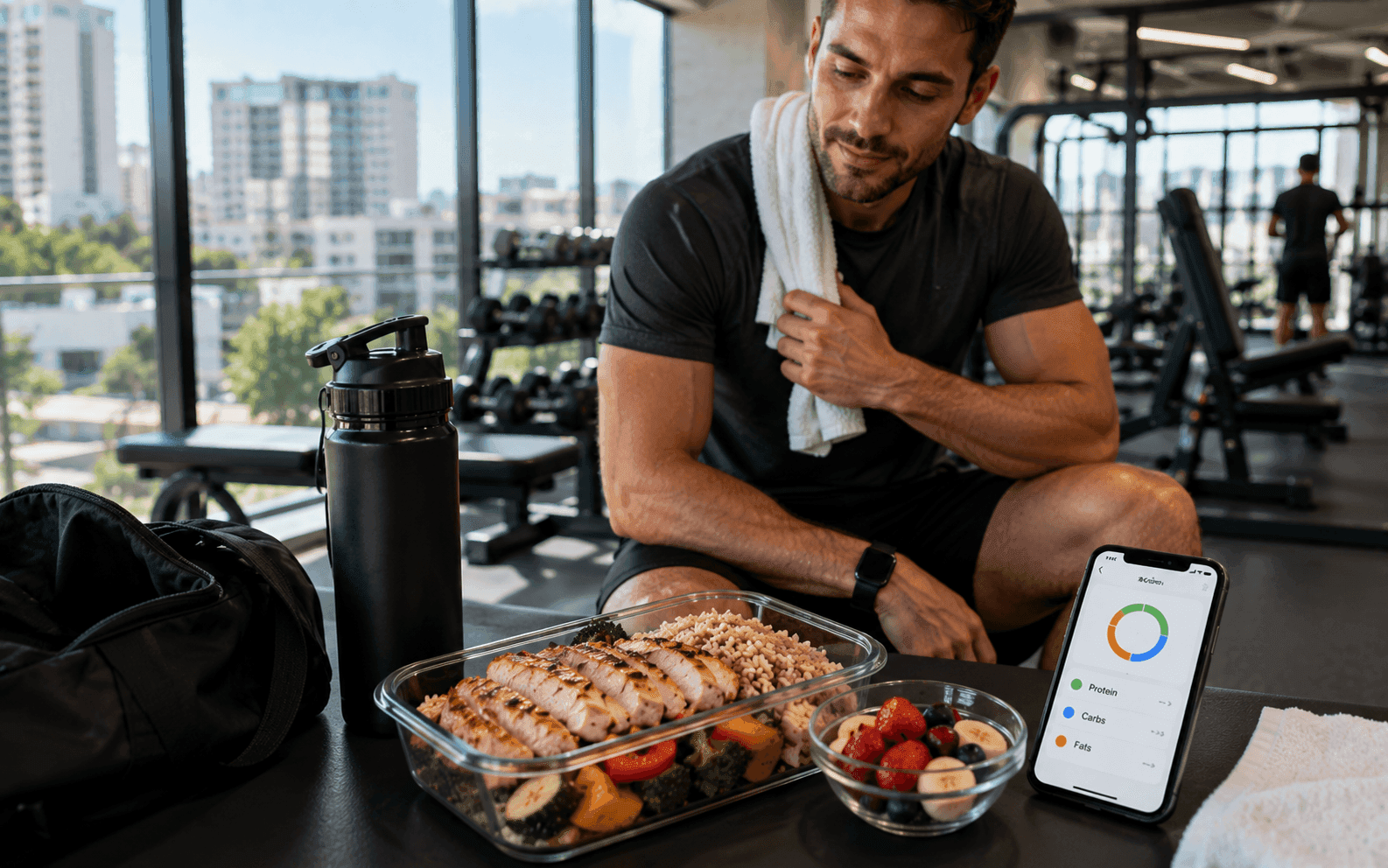
Introduction
Petah Tikva is full of workout options, from large gyms to smaller studios offering strength and group training. Yet many people go to the gym consistently and still do not see the physical changes they expect. In most cases, the reason is not their workout routine, but the gap between what happens in the gym and what happens on their plate.
Training provides the stimulus for change. Nutrition provides the raw materials the body needs to respond to that stimulus. Without alignment between the two, even an excellent workout program will produce only partial results.
Why Training Without Coordinated Nutrition Can Stall
The pattern is common: someone goes to the gym three or four times a week, trains hard, and still sees little significant change after months.
The most common problem is not workout intensity, but the quantity and quality of calories consumed around it:
- Insufficient food after a workout can deprive the body of the nutrients needed for muscle repair and growth.
- Not enough protein throughout the day can limit the body's ability to build muscle mass, even when the workout itself is sufficiently intense.
- Poor meal timing around workouts can result in training on an empty stomach or feeling overly full during exercise.
Nutrition Timing Around Your Workout
When you eat around your workout can affect your energy during exercise and your recovery afterward.
Before your workout (about 1–2 hours beforehand): A meal containing carbohydrates and an easily digestible protein source can provide readily available energy without feeling too heavy. Examples include a chicken breast sandwich on whole-grain bread or yogurt with fruit and granola.
After your workout (within about an hour): This is often described as the period when the body is particularly receptive to protein for muscle building. A meal containing protein and carbohydrates, such as chicken breast with rice or a protein shake with a banana, can support recovery.
On rest days: You should still maintain consistent protein intake, because muscle recovery and adaptation continue primarily during recovery, not only while you are exercising.
How Much Protein Does an Active Person Actually Need?
Protein requirements are generally higher for people who train regularly than for sedentary individuals.
A commonly used range for active people: approximately 1.6–2.2 grams of protein per kilogram of body weight per day.
For example, an 80-kilogram athlete would need approximately 128–176 grams of protein per day, distributed across three to four meals. Consuming nearly all of your protein in one meal at the end of the day is generally less effective than distributing it more evenly throughout the day.
Macros: It's Not Just About Calories
Many people who train focus only on their total calorie intake and overlook the fact that the balance of protein, carbohydrates, and fat can directly influence their results.
- For muscle building: A moderate calorie surplus, relatively high protein intake, and sufficient carbohydrates to support demanding workouts.
- For weight loss while maintaining muscle mass: A moderate calorie deficit with particularly high protein intake to help preserve existing muscle.
- For endurance performance: A higher carbohydrate intake to provide readily available energy for longer workouts.
Calculating your macros—not just your total calories—is what helps distinguish a diet that actively supports your training from one that merely does not interfere with it.
How to Calculate Your Personal Macros
One of the quickest ways to establish personalized macro targets is to use a macro calculator that adjusts your targets based on your age, weight, height, activity level, and goal—whether that goal is building muscle, losing weight, or maintaining your current weight.
Instead of estimating how much protein, carbohydrates, and fat you need, a calculator translates your goal into specific numbers that you can use as the foundation for your meal plan.
Common Mistakes Seen in Gyms in Petah Tikva
Several patterns repeatedly appear among people who are not seeing results despite consistent effort:
- Eating protein only at dinner, leaving the rest of the day with too little protein.
- Training on an empty stomach without a plan, which may lead to weaker performance during the workout.
- Neglecting nutrition on rest days, assuming that only workout days matter when it comes to food.
- Estimating calories and macros by eye instead of measuring them, creating a significant gap between what people think they are eating and what they actually consume.
Conclusion
A good gym in Petah Tikva provides the right stimulus for physical change, but the actual result depends on the nutrition surrounding that training, not just workout intensity. Proper meal timing before and after workouts, sufficient protein throughout the day, and macros tailored to your specific goal are what ultimately turn hours spent training into visible results.