


האם אפליקציות לספירת קלוריות באמת שוות את זה?
מבוא
בכל שנה, גל חדש של אנשים מורידים אפליקציה לספירת קלוריות, משתמשים בה באדיקות במשך שבועיים, ואז מפסיקים בשקט. הדפוס הזה מעלה שאלה לגיטימית: האם האפליקציות האלה באמת שוות את המאמץ, או שהן פשוט עוד הרגל בתחום הבריאות שנראה טוב בתיאוריה אבל נעלם עם הזמן?
התשובה הכנה תלויה פחות באפליקציה עצמה ויותר בבעיה שאתם מנסים לפתור. עבור חלק מהאנשים, אפליקציית מעקב אחר קלוריות הופכת לכלי החשוב ביותר בשגרת הכושר שלהם. עבור אחרים, היא מוסיפה התעסקות בלי לשנות הרבה. הנה מבט מאוזן באמת על המקומות שבהם יש לה ערך, המקומות שבהם פחות, ואיך לדעת לאיזו קבוצה אתם כנראה משתייכים.
הבעיה האמיתית שאפליקציות לספירת קלוריות פותרות
רוב האנשים לא נכשלים בניהול המשקל שלהם בגלל חוסר כוח רצון. הם נכשלים משום שהם מעריכים באופן עקבי פחות מדי את כמות המזון שהם באמת אוכלים.
מחקרים על דיווח עצמי של צריכת מזון הראו שוב ושוב שאנשים נוטים להמעיט בכמות הקלוריות שהם צורכים, לעיתים באופן משמעותי, מבלי להיות מודעים לכך. ארוחת צהריים "קלה" יכולה להכיל יותר קלוריות ממה שנדמה, ברגע שמביאים בחשבון רטבים, גודל מנות ומשקאות. זו לא בעיה של אופי, אלא פשוט תוצאה של הקושי להעריך כמויות מזון בצורה מדויקת בלי למדוד אותן.
אפליקציות לספירת קלוריות פותרות בדיוק את הבעיה הזו: הן מחליפות הערכה במדידה אמיתית. המעבר היחיד הזה — מניחוש לידיעה — הוא המקום שבו נמצא רוב הערך האמיתי.
איפה אפליקציות לספירת קלוריות באמת משתלמות
במצבים מסוימים, מעקב אחר צריכת המזון נוטה לספק תועלת ברורה ומדידה.
- התחלה של יעד כושר חדש. בחודשים הראשונים של ניסיון לרדת במשקל או לבנות מסת שריר, המעקב עוזר ליצור הבנה מדויקת של הרגלי האכילה שלכם — הבנה שקשה לפתח בדרך אחרת.
- תקיעות ללא הסבר ברור. כאשר הירידה במשקל נעצרת למרות התחושה ש"שום דבר לא השתנה", המעקב עשוי לחשוף עלייה קטנה ולא מורגשת בצריכה — חטיפים נוספים, מנות גדולות יותר או משקאות — שמסבירים את התקיעות.
- למידת גדלי מנות. לאחר כמה חודשים של מעקב עקבי, אנשים רבים מפתחים תחושה פנימית מדויקת יותר לגבי האופן שבו מנה מתאימה באמת נראית, גם בלי למדוד אותה.
- יעדים מובנים כמו אירוע או לוח זמנים מסוים. חתונה, תחרות או המלצה רפואית — נתונים מדויקים מאפשרים גישה מתוכננת ומכוונת יותר לפרק זמן מוגדר.
במצבים האלה, האפליקציה היא לא רק תוספת נחמדה — היא יכולה להיות הדרך המהירה ביותר לצמצם את הפער בין מה שאדם חושב שהוא אוכל לבין מה שהוא באמת אוכל.
איפה אפליקציות לספירת קלוריות מוסיפות פחות ערך
מעקב אינו הופך לאוטומטית לשימושי רק משום שהוא זמין. יש מצבים שבהם המאמץ אינו משתלם באותה מידה.
- אנשים שכבר אוכלים באופן אינטואיטיבי. מי ששומר במשך שנים על משקל יציב ובריא באמצעות הרגלים ומודעות עשוי להפיק מעט מאוד ממעקב רשמי, מעבר לבדיקות תקופתיות.
- מוטיבציה קצרת טווח ללא תוכנית. הורדת אפליקציה בתקופה של התלהבות רגעית, בלי יעד קלורי ברור או מטרה מוגדרת, נוטה להסתיים במהירות, משום שהאפליקציה עצמה אינה יוצרת עקביות.
- אנשים שנוטים למעקב אובססיבי. עבור חלק מהאנשים, ספירת קלוריות עלולה להפוך לבדיקה מוגזמת של מספרים או לגרום למצוקה סביב שינויים יומיומיים קטנים. אם המעקב מתחיל להרגיש מלחיץ יותר מאשר מועיל, או אם קיימת היסטוריה של הפרעות אכילה, עדיף לקחת צעד אחורה ולשוחח עם רופא או מטפל במקום להכריח את עצמכם להמשיך להשתמש באפליקציה.
הכלי עצמו הוא ניטרלי. השאלה אם הוא יעזור או יוסיף לחץ תלויה במידה רבה באופן שבו משתמשים בו ובאדם שמשתמש בו.
מה זה באמת עולה לכם
השאלה "האם זה שווה את זה?" אינה עוסקת רק בתועלת, אלא בתועלת ביחס לעלות. במקרה של מעקב אחר קלוריות, העלויות העיקריות הן זמן ותשומת לב מנטלית, ולא בדרך כלל כסף.
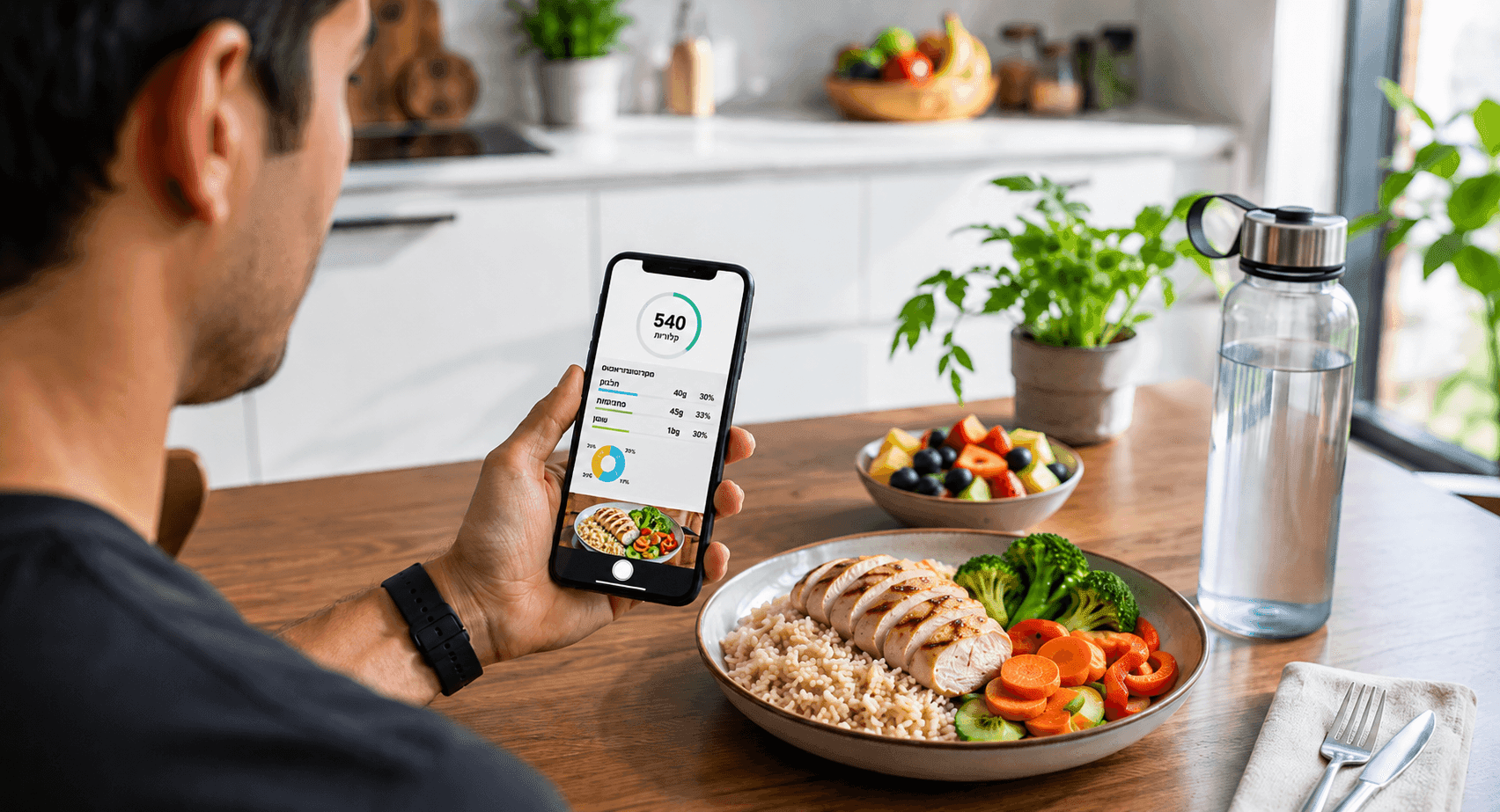
- זמן לכל ארוחה. הזנה ידנית של מזון יכולה לקחת בין דקה לשלוש דקות בכל ארוחה; סריקה באמצעות תמונה או ברקוד בעזרת AI מקצרת משמעותית את התהליך.
- עומס מנטלי. גם הזנה מהירה דורשת רגע של תשומת לב בכל ארוחה. עבור חלק מהאנשים קל לשלב זאת בשגרה, בעוד שאחרים חווים זאת כהפרעה.
- זמן הסתגלות. צריך להתרגל לאפליקציה, ללמוד את אפשרויות החיפוש או הסריקה שלה, ולעבור תקופת הסתגלות ראשונית לפני שהשימוש הופך לאוטומטי.
עבור רוב האנשים, העלות הזו מצטמצמת במהירות ככל שההזנה הופכת להרגל, במיוחד עם כלים מבוססי AI שמסירים חלק גדול מהחיפוש וההקלדה הידניים שנדרשו בשיטות המעקב הישנות.
הטיעון מבוסס הנתונים: האם מעקב באמת עובד?
מעבר לניסיון האישי, השאלה הזו נחקרה באופן ישיר. מחקרים רבים על התערבויות לניהול משקל מצאו שמעקב עצמי — שספירת קלוריות היא מרכיב מרכזי בו — קשור באופן עקבי להצלחה גדולה יותר בירידה במשקל בהשוואה לגישות שאינן כוללות מרכיב כלשהו של מעקב.
המנגנון אינו קסם. המעקב עובד משום שהוא יוצר מודעות ואחריות ברגע שבו מתקבלת בחירת המזון, ולא בדיעבד, כאשר קשה יותר לבצע שינוי. זו אחת הסיבות לכך שמעקב, אפילו אם הוא אינו מושלם, נוטה להיות יעיל יותר מאשר פשוט "לנסות לאכול טוב יותר" בלי מבנה ברור מאחוריו.
איך להחליט אם זה שווה את זה עבורכם
במקום תשובה גורפת של כן או לא, כמה שאלות כנות יכולות לעזור להבין אם מעקב מתאים למצב שלכם.
- האם יש לכם יעד ספציפי ומדיד שאתם עובדים לקראתו, או רק רצון כללי "לאכול טוב יותר"?
- האם ניסיונות קודמים לניהול המשקל נעצרו בלי סיבה ברורה?
- האם הרעיון של רישום ארוחות מרגיש לכם אפשרי, או שהוא מעורר חרדה סביב אוכל ומספרים?
- האם הזנה מהירה יותר באמצעות AI תסיר מספיק חיכוך כדי שהמעקב היומי יהיה מציאותי עבור לוח הזמנים שלכם?
אם התשובות מצביעות על יעד ברור ועל גישה בריאה וניתנת לניהול כלפי המעקב, סביר שאפליקציה לספירת קלוריות תשתלם עבורכם במהירות. אם המעקב מרגיש כאילו הוא מוסיף לחץ במקום בהירות, סביר בהחלט להניח אותו בצד ולהתמקד בגישות אחרות.
סיכום
אפליקציות לספירת קלוריות אינן הכרחיות עבור כולם, והן גם לא מתאימות לכל אדם בכל שלב בחיים. עם זאת, עבור הבעיה הנפוצה מאוד של חוסר ידיעה אמיתי לגבי כמות המזון שאנו אוכלים, הן מספקות פתרון שכוח רצון לבדו בדרך כלל אינו יכול לספק. השאלה האמיתית אינה האם האפליקציות האלה עובדות באופן כללי, אלא האם הבעיה הספציפית שהן פותרות — הערכה לא מדויקת של צריכת המזון — היא זו שעומדת כרגע ביניכם לבין היעד שלכם.
אם כן, אפליקציה לספירת קלוריות שמבוססת על הזנה מהירה בעזרת AI מסירה חלק גדול מהחיכוך שהפך בעבר את המעקב למטלה. לעיתים, זה בדיוק ההבדל בין שימוש באפליקציה במשך שבועיים לבין שימוש בה מספיק זמן כדי לראות תוצאות אמיתיות.