




קילוג'אול לעומת קלוריות: המדריך האוסטרלי
מבוא
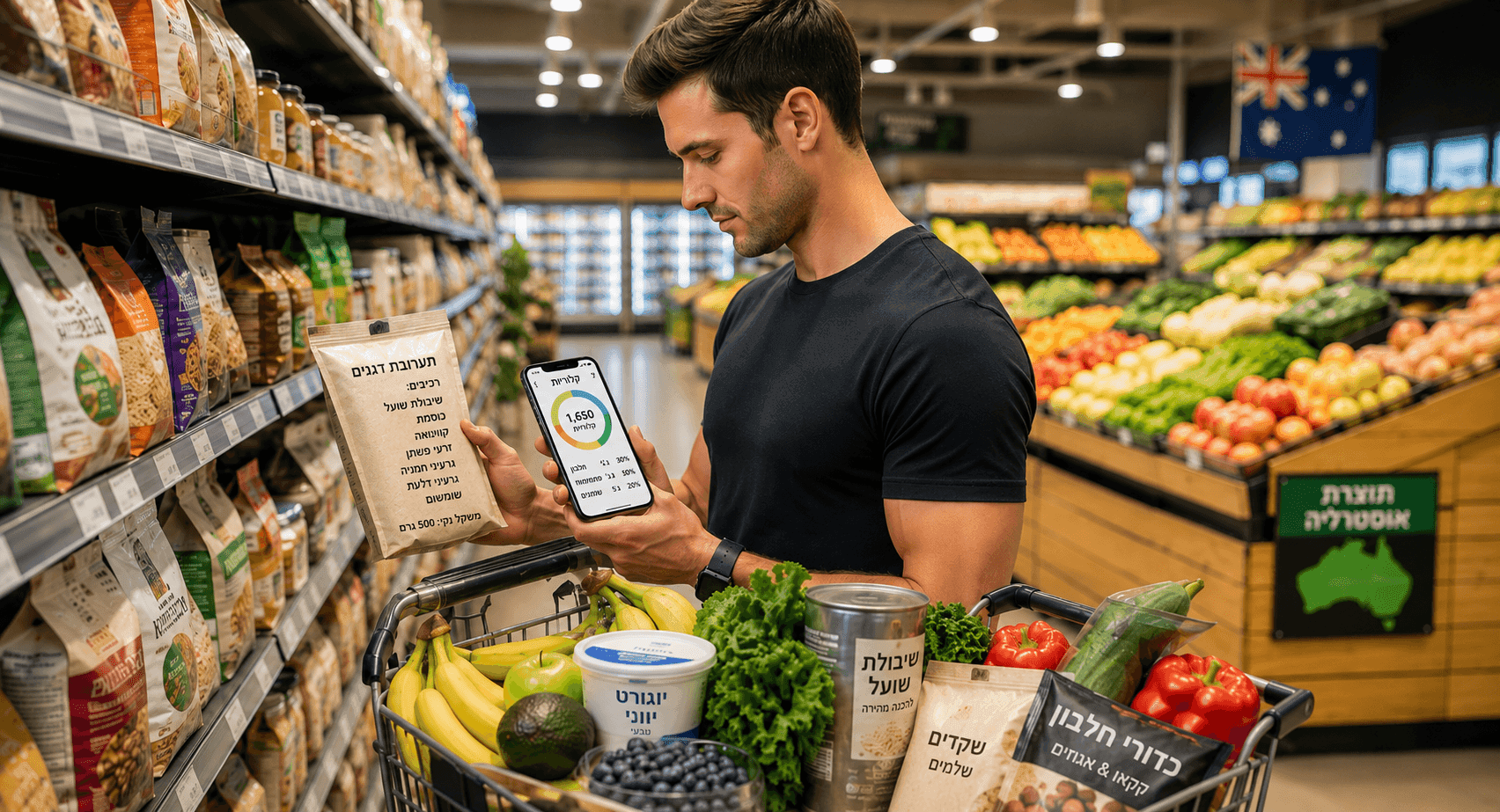
כמעט כל מוצר מזון ארוז בסופרמרקט אוסטרלי שתבחרו יכלול בטבלת הערכים התזונתיים אנרגיה בקילו־ג'אול (kJ), ולא בקלוריות. בינתיים, רוב אפליקציות הכושר, תוכניות האימונים וההמלצות התזונתיות הבינלאומיות כתובות בקלוריות. התוצאה היא נתק קטן אך באמת מעצבן: אתם מנסים לעמוד ביעד קלורי, בעוד שכל מוצר במזווה שלכם מדבר בשפה אחרת.
המדריך הזה מסביר בדיוק מהם קילו־ג'אול, מדוע אוסטרליה משתמשת בהם במקום בקלוריות, וכיצד להמיר בין שתי היחידות בלי לבצע חישובים בראש בכל פעם שאתם נמצאים בסופר.
מהו קילו־ג'אול בדיוק?
קילו־ג'אול (kJ) הוא יחידת אנרגיה, בדיוק כפי שקלוריה היא יחידת אנרגיה. ההבדל הוא רק במערכת המדידה שממנה כל יחידה מגיעה.
- קלוריות מגיעות מיחידת אנרגיה ותיקה יותר, המבוססת על כמות החום הדרושה כדי להעלות את הטמפרטורה של מים
- קילו־ג'אול מבוססים על ג'אול, יחידת האנרגיה הסטנדרטית במערכת היחידות הבינלאומית (SI), אותה מערכת שבה אוסטרליה משתמשת למדידות כמו מטרים, ליטרים וקילוגרמים
בקיצור, קילו־ג'אול וקלוריות מודדים בדיוק את אותו הדבר — אנרגיה מהמזון — באמצעות שתי סולמות מדידה שונים. אף אחת מהן אינה "מדויקת" יותר מהשנייה. זה פשוט עניין של איזו יחידת מדידה מדינה מסוימת אימצה כסטנדרט.
מדוע אוסטרליה משתמשת בקילו־ג'אול על תוויות מזון?
דרישות סימון המזון באוסטרליה, שנקבעו במסגרת קוד תקני המזון של אוסטרליה וניו זילנד (Australia New Zealand Food Standards Code), מחייבות להציג את תכולת האנרגיה של מזון ארוז בקילו־ג'אול. הדבר תואם את השימוש הרחב יותר של אוסטרליה במערכת המטרית, במקום יחידת הקלוריה הישנה יותר, שעדיין נפוצה במדינות כמו ארצות הברית.
חלק מהתוויות כוללות גם קלוריות כמידע נוסף, אך קילו־ג'אול הם הנתון העיקרי הנדרש על פי חוק. זו הסיבה שטבלת ערכים תזונתיים אוסטרלית עשויה להציג "1,046 kJ למנה" כנתון המרכזי, גם אם אפליקציית הכושר בטלפון שלכם מבקשת מכם להגיע ל־"2,000 קלוריות ביום".
ההמרה המדויקת בין kJ לקלוריות
ההמרה בין שתי היחידות מבוססת על יחס קבוע ופשוט:
1 קלוריה = 4.184 קילו־ג'אול
או בכיוון ההפוך:
1 קילו־ג'אול = 0.239 קלוריות
לשימוש יומיומי, רוב האנשים מעגלים את היחס לנתון פשוט יותר:
- כדי להמיר קלוריות לקילו־ג'אול, הכפילו בערך ב־4.2
- כדי להמיר קילו־ג'אול לקלוריות, חלקו בערך ב־4.2
לדוגמה, יעד יומי של 2,000 קלוריות שווה בערך ל־8,400 קילו־ג'אול. חטיף ארוז שמציג 800 kJ מכיל בערך 190 קלוריות.
טבלת המרה מהירה
קלוריות | קילו־ג'אול |
|---|---|
100 | 418 |
500 | 2,092 |
1,200 | 5,021 |
1,500 | 6,276 |
1,800 | 7,531 |
2,000 | 8,368 |
2,500 | 10,460 |
הטבלה מכסה את רוב היעדים היומיים הנפוצים, אך המרות מדויקות יותר חשובות כאשר עוקבים אחר צריכת האנרגיה באופן מדויק, ופחות כאשר מדובר בבדיקה מהירה בסופר.
מדוע ההמרה מבלבלת בפועל?
לדעת את היחס זה דבר אחד. ליישם אותו באופן עקבי בזמן קניות, בישול ומעקב תזונתי — זה כבר המקום שבו רוב האנשים מאבדים את הסבלנות.
- התאמת מתכונים. מתכון אוסטרלי המציין קילו־ג'אול למנה צריך לעבור המרה לפני שניתן להזין אותו באפליקציה שעוקבת אחר קלוריות.
- מוצרים מיובאים. מוצר מזון ממדינה שבה משתמשים בקלוריות דורש לפתע המרה בכיוון ההפוך כדי להתאים אותו ליעד יומי באוסטרליה.
- עומס חישובי. הכפלה או חילוק ב־4.2 שוב ושוב לאורך היום מוסיפים חיכוך מיותר להרגל שאמור להיות פשוט.
- שגיאות עיגול מצטברות. עיגול של 4.184 ל־4 בהמרות רבות לאורך היום עלול ליצור פער מורגש עד שמגיעים לסך היומי.
אף אחד מהחישובים האלה אינו מסובך בפני עצמו, אבל יחד הם יוצרים מספיק חיכוך כדי לגרום לחלק מהאוסטרלים לוותר על הניסיון ליישב בין שתי היחידות, או להסתמך על הערכה מנטלית גסה שאינה מדויקת לחלוטין.
הדרך הקלה יותר: להמיר פעם אחת, לא בכל פעם
במקום להמיר כל ארוחה באופן ידני במהלך היום, הפתרון הפשוט ביותר הוא לבחור יחידה אחת שבה אתם חושבים, ולתת לכלי לבצע את ההמרה עבור כל דבר שמסומן ביחידה אחרת.
ממיר קילו־ג'אול לקלוריות עושה זאת באופן מיידי: הוא מקבל את נתון ה־kJ המופיע על התווית ומחזיר את המקבילה בקלוריות, או להפך, בלי שתצטרכו לזכור את היחס 4.184 או לבצע את החישוב בעצמכם.
הדבר שימושי במיוחד עבור:
- בדיקת המקבילה הקלורית של חטיף ארוז בזמן קניות
- המרת מתכון המבוסס על kJ לתוכנית ארוחות המבוססת על קלוריות
- הבנת המשמעות של תווית קלוריות על מוצר מחו"ל ביחס ליעד יומי באוסטרליה
- בדיקה מהירה האם הטענה "דל בקילו־ג'אול" על אריזה אכן משמעותית מבחינה קלורית
האם כדאי לעקוב אחר התזונה ב־kJ או בקלוריות?
אין תשובה נכונה אחת. הבחירה הנוחה יותר תלויה במקור של רוב המידע שבו אתם משתמשים.
- אם רוב המזון שלכם הוא מוצר ארוז מאוסטרליה, מעקב בקילו־ג'אול מאפשר לעבוד ישירות עם נתוני התווית, בלי לבצע המרות.
- אם אתם משתמשים באפליקציית כושר או בתוכנית בינלאומית, מעקב בקלוריות עשוי להיות פשוט יותר, מכיוון שרוב התכנים הבינלאומיים בתחום הכושר משתמשים כברירת מחדל בקלוריות.
- אם אתם משתמשים בשתי השיטות באופן קבוע, כדאי לבחור יחידה אחת כיחידה "הביתית" שלכם ולהמיר את היחידה השנייה לפי הצורך, במקום לעבור ביניהן כל הזמן. כך ניתן להפחית משמעותית את הבלבול.
העקביות חשובה יותר מהיחידה שבה תבחרו. מעבר בין שתי היחידות ללא שיטה ברורה הוא בדרך כלל המקום שבו מתחילות להצטבר טעויות קטנות.
סיכום
קילו־ג'אול וקלוריות אינם יחידות מתחרות — הן מתארות את אותו מושג בסיסי, אנרגיה, באמצעות שתי יחידות שונות. האחת מבוססת על המערכת המטרית והיא הסטנדרטית באוסטרליה, והשנייה נפוצה יותר בעולם.
ברגע שהיחס של 4.184 ברור לכם, או שאתם פשוט נותנים לממיר לבצע את החישוב, הבלבול שנוצר מקריאת תווית מזון אוסטרלית בזמן מעקב אחר צריכת קלוריות כמעט נעלם לחלוטין.